
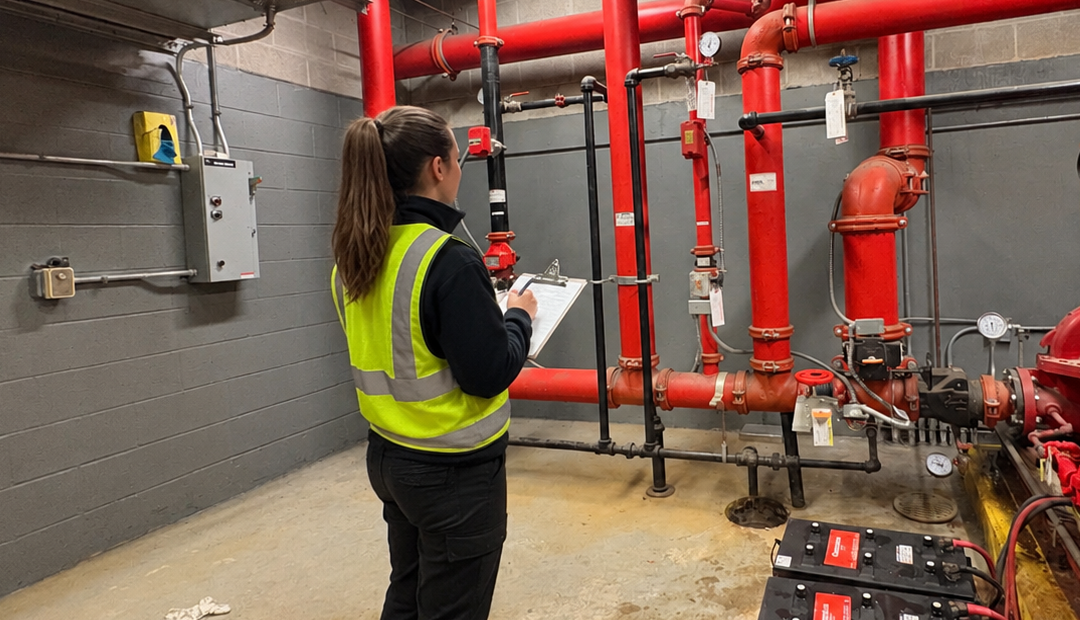
Fire protection systems play a crucial role in protecting commercial buildings, employees, visitors, and property. However, there are situations when these systems may become temporarily unavailable due to maintenance, repairs, equipment malfunctions, or unexpected damage. When a building’s fire protection systems are impaired, additional precautions may be necessary to maintain an appropriate level of fire safety.
One of these precautions is a fire watch. A fire watch is a temporary safety measure that involves assigning designated personnel to monitor an area or building for signs of fire when normal fire protection measures are unavailable or when specific activities create an increased fire risk.
Understanding when a fire watch may be necessary, what responsibilities it involves, and how it should be coordinated can help property managers and facility personnel maintain safer building operations.
Unlike an automatic fire protection system, a fire watch relies on personnel to recognize potential hazards and respond promptly. Individuals assigned to fire watch responsibilities must understand the areas they are monitoring, how to report an emergency, and what procedures to follow if a fire is discovered.
A fire watch does not replace the protection provided by a properly functioning sprinkler or alarm system. Instead, it serves as a temporary precaution while the affected systems are restored or while a specific fire hazard is being addressed.
When Is a Fire Watch Required?
Fire watch requirements depend on the circumstances, applicable fire codes, local regulations, and direction from the authority having jurisdiction (AHJ). However, several situations commonly call for consideration of a fire watch.
- Fire Alarm System Outages
When a building’s fire alarm system is impaired, occupants may not receive the automatic notification they would normally expect during an emergency. Depending on the extent of the outage and applicable requirements, a fire watch may be required until the system is restored.
This is particularly important in buildings where occupants depend on audible or visual notification devices to recognize an emergency and begin evacuation procedures.
- Fire Sprinkler System Impairments
Fire sprinkler systems may need to be temporarily shut down when repairs, modifications, or maintenance are performed. Significant damage to piping, leaking components, or other equipment problems may also result in a system impairment.
When automatic sprinkler protection is unavailable, a fire watch may be required as part of the building’s impairment procedures. The extent of the affected system, the length of the outage, and the building’s occupancy can all influence the precautions necessary.
- Hot Work Activities
Hot work includes activities that generate sparks, flames, or significant heat, such as welding, cutting, brazing, and grinding.
These activities can introduce ignition sources into areas containing combustible materials. OSHA’s welding, cutting, and brazing requirements address fire prevention precautions and the use of fire watchers when normal fire prevention precautions are insufficient.
A designated fire watch may be necessary during hot work and for a specified period afterward to identify and address any fires that develop after the work is completed.
- Other Fire Protection System Impairments
A building may have multiple fire protection systems, and an impairment involving one or more of these systems can affect overall fire safety.
Depending on the circumstances, this may include situations involving standpipe systems, fire pumps, or other essential fire protection equipment. Building representatives should evaluate the extent of the impairment and follow the applicable code requirements and instructions from the AHJ.
What Does a Fire Watch Involve?
A fire watch is more than having someone periodically check a building. It requires active monitoring and a clear understanding of the procedures to follow if a fire is detected. Fire watch personnel must also have an approved means of notifying the fire department. In New Jersey, these provisions are reflected in Section 901.7 of the New Jersey International Fire Code.
Depending on the situation and instructions from the fire code official, responsibilities may include:
- Conducting regular patrols: Continuously monitoring the affected areas for smoke, flames, unusual odors, or other indications of fire.
- Maintaining communication: Having an approved means of contacting emergency services and notifying the appropriate building representatives.
- Recognizing potential hazards: Remaining alert to activities or conditions that could increase the likelihood of a fire.
- Following emergency procedures: Knowing how to report a fire, activate emergency notifications, and initiate evacuation procedures when necessary.
- Maintaining awareness of affected areas: Understanding which portions of the building are without normal fire protection and ensuring those areas receive appropriate attention.
For hot work activities, OSHA also specifies that fire watchers must have readily available fire extinguishing equipment, be trained in its use, and understand how to sound an alarm if a fire occurs.
How Long Does a Fire Watch Need to Remain in Place?
The duration of a fire watch depends on why it was established and what conditions must be met before normal operations can resume.
When a required fire protection system is out of service, an approved fire watch may need to remain in place until the system has been restored. The fire code official determines whether a fire watch or evacuation is necessary for occupants left unprotected by the shutdown.
For hot work, the duration may be different. Under OSHA’s general industry welding and cutting requirements, a fire watch must remain in place for at least 30 minutes after welding or cutting operations are completed to identify potential smoldering fires.
It is important for building representatives and contractors to understand that these timeframes are not interchangeable. The applicable requirements depend on the type of activity, the affected fire protection systems, and the governing regulations.
What Should Building Owners Do When a Fire Protection System Is Impaired?
When a fire alarm, sprinkler, or other required fire protection system becomes unavailable, building owners and property managers should take steps to coordinate the impairment and minimize the period without protection.
The New Jersey International Fire Code outlines several responsibilities for managing fire protection system impairments, including:
- Notify the appropriate authorities: The fire department and fire code official must be notified immediately when a required fire protection system is out of service.
- Identify the extent of the impairment: Determine which systems and areas are affected and how long the outage is expected to last.
- Evaluate additional precautions: Coordinate with the fire code official to determine whether evacuation or an approved fire watch is necessary.
- Coordinate repairs: Arrange for qualified service personnel to address the issue and restore the affected equipment.
- Verify system restoration: Confirm that necessary inspections and testing have been completed and that the system is operational before normal protection is considered restored.
The code also requires a building owner to assign an impairment coordinator to oversee these procedures. If no individual is specifically designated, the building owner assumes that responsibility.
Taking these steps helps ensure that everyone involved understands the extent of the impairment, the precautions being implemented, and the steps necessary to restore normal fire protection.
Why Fire Watch Procedures Matter
Fire watches provide an additional layer of protection when normal fire safety measures are temporarily unavailable or when certain activities create an increased risk of ignition.
For commercial properties, an interruption in fire protection can affect employees, tenants, visitors, and building operations. Without appropriate precautions, a fire may go undetected for longer than it otherwise would if automatic detection, notification, or suppression systems were operating normally.
Having an established impairment procedure, qualified personnel, and clear communication between property management, contractors, and local fire officials can help reduce these risks.
Fire watches should always be treated as temporary precautions, not permanent alternatives to functioning fire protection systems. Restoring impaired equipment and confirming that it is operating properly remain essential parts of the process.
Keeping Your Building’s Fire Protection Systems Ready
Understanding fire watch requirements is an important part of managing commercial building safety. Whether a system impairment results from scheduled maintenance, unexpected equipment damage, or construction activities, building representatives should understand their responsibilities and coordinate the appropriate precautions.
Independence Fire Sprinkler provides fire protection services to commercial properties throughout Pennsylvania, South Jersey, and Delaware, including fire sprinkler and fire alarm inspection, testing, maintenance, and repair services.
If your building is experiencing a fire protection system impairment or needs assistance maintaining its fire protection equipment, contact Independence Fire Sprinkler at 484-494-7724 or visit indpfire.com to learn more about our services.