
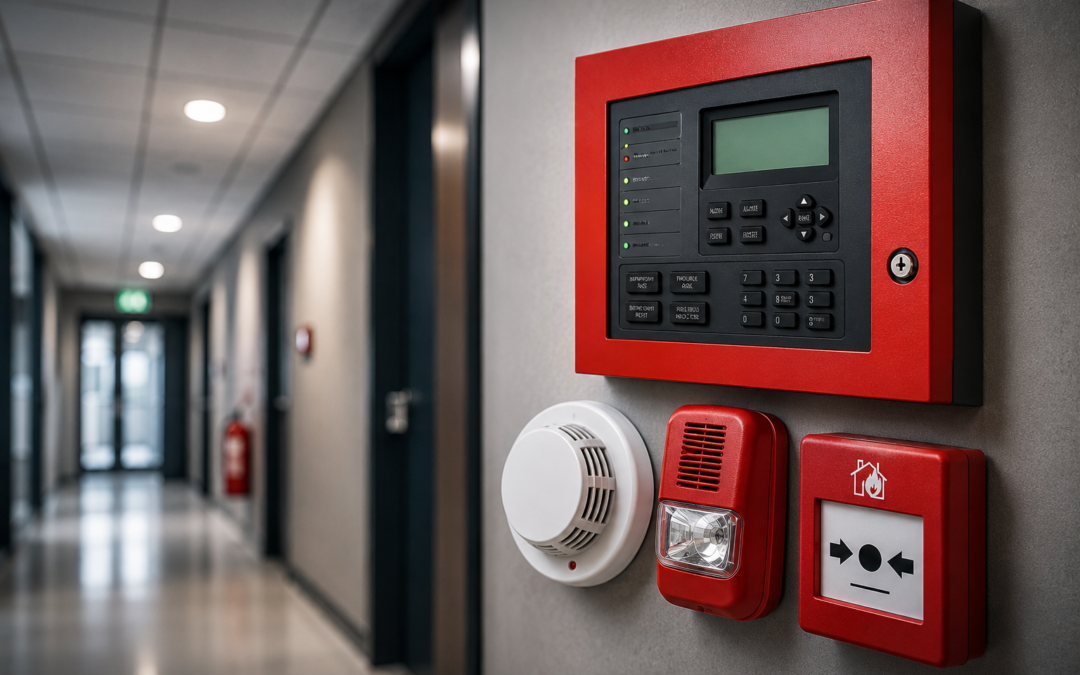
Your fire alarm system is one of the most important life safety systems in your building. Whether you manage an apartment complex, warehouse, or hospital, a properly functioning fire alarm system helps protect residents, reduce property damage, and maintain code compliance. But like any technology, fire alarm systems age over time… and eventually, older systems may no longer provide the reliability or protection your building needs.
Recognizing the warning signs early can help prevent costly emergency repairs, false alarms, and system failures. Here are some of the most common signs that your fire alarm system may need an upgrade.
Frequent False Alarms
One of the clearest indicators of an outdated fire alarm system is an increase in false alarms or nuisance alarms. Frequent false alarms can occur because of aging sensors, outdated equipment, wiring issues, or compatibility problems between system components. Over time, repeated false alarms can also lead to “alarm fatigue,” where occupants become less responsive to alarms because they assume they are not emergencies.
Additionally, false alarms will lead to false dispatches from the fire department. While it depends on your city’s code, most Fire Departments will start to charge a fee per incident after 2 false dispatches occur within a year. In the City of Philadelphia, more than 7 false alarms in a year may lead to heavier fines per incident and registration revocation.
Modern fire alarm systems are designed with more advanced detection technology that helps reduce unwanted alarms while still responding quickly during an actual emergency. If your system is regularly triggering false alarms, it may be time to evaluate whether an upgrade is the safer and more cost-effective solution.
Your System Is More Than 10–15 Years Old
Technology evolves quickly, and fire alarm systems are no exception. According to fire safety guidance and replacement recommendations from government agencies, many smoke detection components have a limited service life and should eventually be replaced. Older systems may also become difficult to repair because manufacturers discontinue parts and technical support.
Many fire alarm systems become difficult to maintain after approximately 10–15 years because replacement parts may no longer be available and manufacturers discontinue support for aging equipment.
Additionally, the Federal Emergency Management Agency and the United States Fire Administration recommend replacing smoke alarms every 10 years because sensors can lose effectiveness over time. If your building’s system is over a decade old, it may be time to begin planning for modernization before reliability becomes an issue.
Difficulty Finding Replacement Parts
When replacement boards, detectors, or panels are no longer manufactured, even small repairs can become expensive and time-consuming. In some cases, property owners are forced to rely on refurbished or salvaged components simply to keep an outdated system operational.
This issue becomes especially important during inspections or emergency service calls. If your fire alarm contractor struggles to source compatible replacement parts, your system may be approaching obsolescence. Upgrading proactively can help avoid extended downtime and reduce long-term maintenance costs.
Your Building Has Been Renovated or Expanded
If your building has undergone renovations, tenant fit-outs, additions, or occupancy changes, your existing fire alarm system may no longer meet current operational needs or code requirements. Older conventional systems may not provide the flexibility or monitoring capabilities required for modern buildings.
Many jurisdictions now require addressable fire alarm systems when existing systems are significantly upgraded or replaced. Addressable systems allow responders and building managers to identify the exact device location triggering an alarm, improving response times and troubleshooting efficiency.
Trouble Signals and Maintenance Issues Are Increasing
Frequent trouble conditions, battery failures, communication errors, or service calls are often signs that a system is reaching the end of its useful life. Aging components may become less reliable over time, especially in systems that have not been regularly upgraded or maintained. Routine testing and maintenance are critical for system performance, but when repairs become increasingly frequent, replacement may ultimately be more practical than continuing to patch an aging system.
Improve the Safety and Reliability of Your Alarm System
Modern fire alarm systems offer improved detection technology, better monitoring capabilities, enhanced notification systems, and greater integration with other life safety systems. Upgrading your system can help improve occupant safety, reduce false alarms, simplify maintenance, and support compliance with current fire codes.
If your system is showing any of these warning signs, scheduling a professional evaluation can help determine whether repairs, modernization, or full replacement is the best path forward. Give us a call at 484-494-7724 or request a proposal on our website: https://indpfire.com/request-a-proposal/